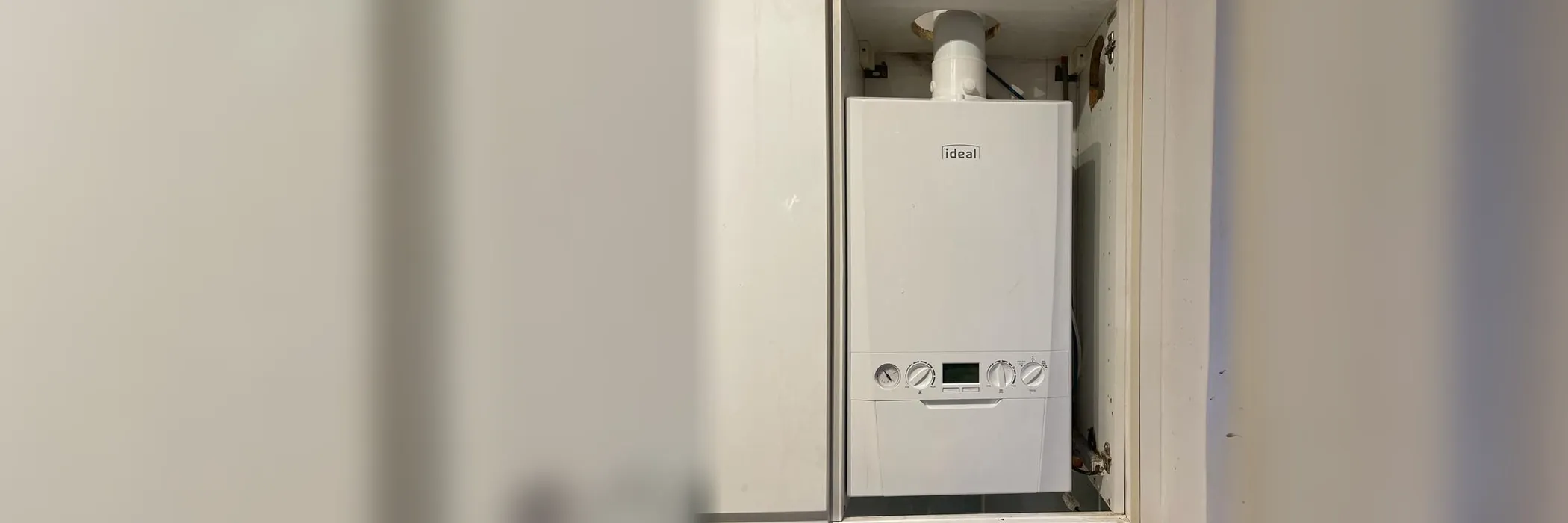
Gas Water Heater and Gas Boiler in an Apartment: Common Mistakes and Safety Rules
A gas water heater and gas boiler in an apartment are very common and convenient solutions in older districts of Tallinn, such as Pelgulinn, Kalamaja, Kesklinn, and Lasnamäe. However, older apartment buildings often hide serious safety hazards that have developed over decades of renovations and unauthorized modifications.
The Consumer Protection and Technical Regulatory Authority (TTJA) is paying increasing attention to apartment-based gas appliances. Below, we review the most common mistakes and explain how to ensure your gas water heater and gas boiler in an apartment operate safely and comply with Estonian regulations.
1. Poor Ventilation and Blocked Air Vents
The most frequent issue gas technicians encounter in Tallinn apartments is a lack of fresh air. Older open-combustion gas water heaters and boilers draw the oxygen needed for burning directly from the indoor air of the apartment.
When old wooden windows are replaced with airtight plastic windows and bathroom or kitchen ventilation vents are sealed shut, negative air pressure builds up inside the apartment. Without enough oxygen, gas cannot burn completely, producing deadly, odorless, and colorless carbon monoxide (CO).
Requirement: Any room containing a gas appliance must have a continuous supply of fresh air (such as trickle vents in windows or walls) and functioning exhaust ventilation. There must be at least a 1.5-2 cm air gap under the bathroom door or a ventilation grille installed in the door.
2. Connecting a Kitchen Hood or Bathroom Fan to the Wrong Flue
During apartment renovations, homeowners often unknowingly make a life-threatening mistake: connecting forced ventilation (a kitchen extractor hood or an electric bathroom exhaust fan) into the same chimney flue as the gas appliance or into a shared building shaft not designed for it.
An operating kitchen hood creates strong negative pressure in the apartment. As a result, the hood pulls exhaust gases from the gas water heater or gas boiler back out of the chimney flue and into the living spaces. This is one of the primary causes of sudden carbon monoxide poisoning while taking a shower.
Solution: The flue for a gas appliance must be completely separate and airtight. Always consult a certified specialist before installing forced ventilation to verify flue compatibility and airflow direction.
3. Unmaintained Chimney Flues and a Gas Water Heater in an Apartment
In older apartment buildings (especially wooden and stone houses in Põhja-Tallinn and Kesklinn), chimney flues are frequently aged, cracked, or blocked by crumbling plaster. When flue gases cannot exit freely up the chimney, they flow back into the room.
Obligation: Apartment building chimney flues and ventilation ducts must be cleaned and inspected by a certified chimney sweep at least once a year. You can find certified specialists via the Estonian Chamber of Chimney Sweeps. A valid inspection certificate is also checked during a mandatory gas installation audit.
4. Missing or Improperly Installed Carbon Monoxide Detector
In Estonia, a carbon monoxide (CO) detector is mandatory in all residential spaces equipped with a chimney-connected gas appliance. Detailed installation guidelines are also available on the Estonian Rescue Board website. In daily practice, technicians frequently find that the detector is missing, has dead batteries, or is mounted in the wrong spot.
Where to install the detector? Unlike a smoke detector that goes on the ceiling, a carbon monoxide detector must be mounted on the wall at roughly human breathing height (1.5-2 meters from the floor) and 1-3 meters away from the gas appliance. Avoid placing it directly under the ceiling or next to an air vent, as it may fail to detect CO in time.
5. Unauthorized Gas Pipe Modifications and Concealed Pipes
When changing an apartment layout (such as merging a kitchen and living room or expanding a bathroom), people sometimes shorten gas pipes themselves, hide them inside walls, or extend them with flexible hoses.
Unauthorized modification of a gas installation is illegal and extremely dangerous. Gas pipes must remain visually inspectable – they must never be hidden behind drywall or embedded in concrete, because if a leak occurs, gas accumulates inside structural cavities and can explode from the smallest spark.
Rule: All work involving gas piping and appliances may only be performed by competent gas contractors registered in the Estonian Register of Economic Activities (MTR). If you need assistance replacing an appliance or modifying piping, learn more on our gas works service page (verify your exact English URL).
When Should You Order Maintenance and a Gas Audit in an Apartment?
If you recently bought an apartment in an older building, completed renovations, or have not had your gas water heater and gas boiler in an apartment inspected for a long time, it is best to act before a hazardous situation arises or TTJA issues a precept.
Annual Maintenance: Gas boilers and water heaters require servicing once a year to clean the burner and heat exchanger, check draft levels, and ensure there are no gas leaks. Book regular gas appliance maintenance (verify URL) before the heating season begins.
Gas Installation Audit: An in-apartment gas installation older than 15 years must undergo a regular technical audit every 4 years (every 8 years for newer installations). Read more about how a gas installation audit (verify URL) works.
Concerned about the safety of your apartment’s gas appliance, or need scheduled maintenance and an audit? Wineco OÜ’s experienced technicians will inspect your apartment’s gas piping, equipment operation, and ventilation, and help resolve any deficiencies legally and safely.
Contact us to book a gas installation inspection or maintenance in Tallinn and Harjumaa: